Iran Issues Ultimatum to Protesters: 3 Days to Surrender for Leniency
**Excerpt:**
Iran’s police chief has announced a three-day window for young protesters, who were allegedly misled into participating in demonstrations, to surrender for more lenient treatment.
Key Points
– Iranian authorities define participants in recent protests as “deceived individuals.”
– A three-day ultimatum has been issued for protesters to surrender.
– The protests were ignited by economic dissatisfaction and represent a significant challenge to the regime.
– Iranian security forces have reportedly arrested around 3,000 people, with rights groups estimating closer to 20,000 arrests.
– Supreme Leader Khamenei calls for severe punishment for those involved in the protests.
Background
Iran’s national police chief, Ahmad-Reza Radan, declared that individuals who were “deceived” into joining the recent protests would face lighter repercussions if they surrendered within a three-day timeframe. Radan emphasized that these young protesters are not considered adversaries but rather victims of manipulation.
Protests Overview
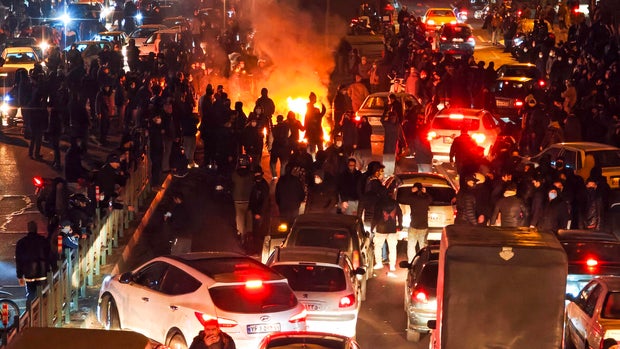
The protests began in late December, driven by widespread anger over economic hardship. They quickly escalated into significant demonstrations against the Iranian regime, marking one of the largest challenges to the hardline Islamic leadership in years. However, these protests were met with a brutal crackdown, leading to a high number of casualties.
Arrests and Government Response
Security officials, as reported by the semi-official Tasnim news agency, stated that approximately 3,000 individuals have been arrested in connection with the protests. Human rights organizations, however, suggest that the number is likely much higher, estimating around 20,000 arrests.
Iranian authorities have characterized the protests as “riots,” claiming foreign adversaries, particularly the United States and Israel, are responsible for inciting unrest. No evidence has been provided to substantiate these accusations.
Official Statements
Supreme Leader Ayatollah Ali Khamenei has called for decisive action against the “seditionists,” stating that both domestic and foreign actors involved will face punishment. He implied that the U.S. administration bears responsibility for the violence and unrest experienced in Iran.
In addition to the ongoing arrests, Iran’s Attorney General, Mohammad Movahedi Azad, has indicated that officials are required to identify and seize the assets of individuals labeled as “terrorists” for their involvement in the protests, including those who may have shown support without directly participating in demonstrations.
Conclusion
The Iranian government’s ultimatum reflects its ongoing efforts to quell dissent and reassert control following a wave of protests that have shaken the regime. As the situation develops, the response from the populace and international community remains to be seen.