**Excerpt:** Oil prices are rising as diplomatic efforts between the U.S. and Iran stall, with Iran proposing a deal that excludes nuclear concessions.
Key Points:
– Iran offers to reopen the Strait of Hormuz if the U.S. lifts its blockade, without addressing its nuclear program.
– President Trump has canceled plans for further talks with Iranian officials, asserting the U.S. holds all negotiating power.
– Oil prices have increased significantly due to geopolitical tensions and the ongoing war.
– Hezbollah has rejected U.S.-brokered negotiations between Israel and Lebanon, complicating the ceasefire situation.
– The conflict has resulted in substantial casualties in both Iran and Lebanon since its inception.
Full Article
Diplomatic Stalemate
Iran has proposed a deal to reopen the Strait of Hormuz to commercial shipping, contingent upon the U.S. lifting its military blockade of Iranian ports. However, this offer does not include any concessions regarding Iran’s nuclear program, a key demand from President Trump for any peace agreement to end the ongoing war.
U.S. Response
President Trump recently canceled plans to send senior envoys to Pakistan for additional talks with Iranian officials, stating that his administration possesses “all the cards.” He emphasized that if Iran wishes to negotiate, they must reach out to the U.S. directly. This cancellation has cast doubt on the prospects for diplomacy facilitated by Pakistan, especially as Iran’s foreign minister is set to meet with President Putin in Russia.
Rising Oil Prices
The uncertainty surrounding U.S.-Iran negotiations has led to a notable increase in oil prices. The price of Brent crude oil rose significantly, with reports indicating a rise of nearly 3% amidst fears of ongoing disruptions in the Strait of Hormuz due to the conflict.
Hezbollah’s Rejection
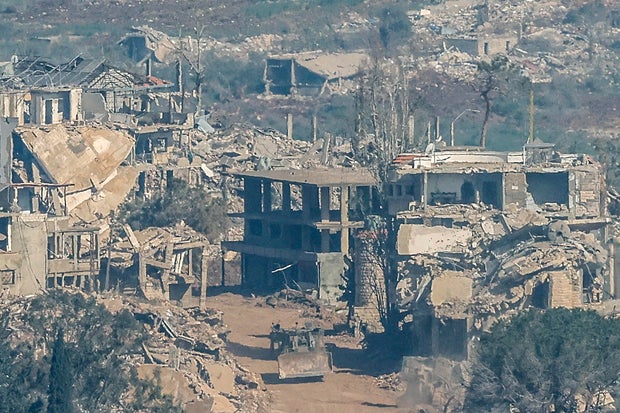
Meanwhile, Hezbollah’s leadership has categorically rejected U.S.-brokered negotiations between Israel and Lebanon, raising concerns about the stability of the current ceasefire. Hezbollah’s leader issued a statement dismissing the outcomes of these talks, which complicates the situation further and casts doubt on the viability of peace efforts in the region.
Casualties and Conflict Overview
Since the war began on February 28, the death toll has escalated, with thousands reported dead in both Iran and Lebanon. This ongoing conflict continues to affect global oil markets and regional stability as talks for a ceasefire remain unresolved.
Leave a Reply