**Excerpt:** The Trump administration’s plan to sell Taiwan over $10 billion in arms has sparked strong condemnation from China, escalating tensions in the region.
Key Points
– The Trump administration has proposed a $10 billion arms sale to Taiwan, the largest in U.S. history.
– The package includes missiles, howitzers, and drones, aimed at bolstering Taiwan’s defense capabilities.
– China has reacted angrily, claiming the sale undermines its sovereignty and threatens regional stability.
– Taiwan’s government expressed gratitude for U.S. support, emphasizing the importance of self-defense.
– The arms deal aligns with Taiwan’s plans to increase defense spending significantly over the next few years.
Overview of the Arms Sale
In a significant move, the Trump administration announced a record arms package to Taiwan worth over $10 billion. This includes medium-range missiles, howitzers, and drones. The announcement, made late Wednesday, has triggered a fierce reaction from Beijing.
Details of the Sale
The arms package, if approved by Congress, will surpass the $8.4 billion in arms sales during the Biden administration. The eight agreements include:
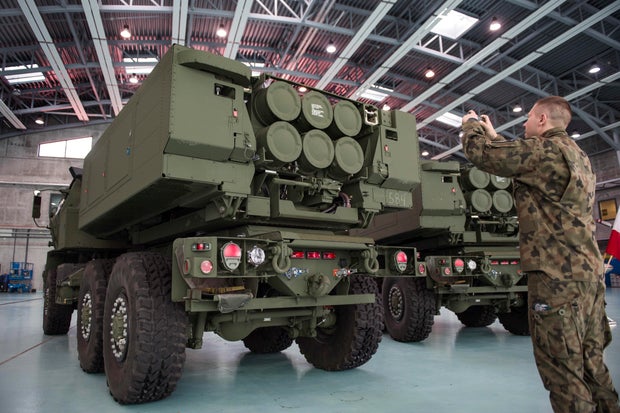
– 82 high-mobility artillery rocket systems (HIMARS) and 420 Army Tactical Missile Systems (ATACMS) valued at over $4 billion.
– 60 self-propelled howitzer systems and related equipment exceeding $4 billion.
– Drones worth more than $1 billion.
– Additional military software, Javelin and TOW missiles, and helicopter spare parts.
According to Taiwan’s Defense Ministry, the total sales amount to approximately $11.15 billion.
China’s Response
China’s Foreign Ministry condemned the arms sale, claiming it violates diplomatic agreements and threatens China’s sovereignty and security. Spokesperson Guo Jiakun stated that the U.S. support for Taiwan independence through arms sales would accelerate military confrontation in the Taiwan Strait.
U.S. Commitment to Taiwan’s Defense
Under U.S. law, the government is obligated to assist Taiwan in self-defense. This obligation has become a contentious issue, especially as China maintains its stance on using force to unify Taiwan with the mainland.
President Trump, in a recent interview, noted that Xi Jinping did not mention Taiwan during their last meeting, suggesting an implicit understanding of the consequences of military action against the island.
Taiwan’s Defense Strategy
In response to the arms deal and external pressures, Taiwan plans to increase its defense spending to 3.3% of its GDP next year, aiming for 5% by 2030. Taiwanese officials have expressed appreciation for U.S. support, asserting that it is crucial for maintaining peace and stability in the region.
The arms deal reflects Taiwan’s commitment to enhancing its defense capabilities amid rising tensions with China.
Leave a Reply