**Excerpt:** As homelessness in Washington D.C. becomes more hidden due to recent federal crackdowns, the health care costs for unsheltered individuals are rising dramatically, impacting public health and safety.
Key Points
– Approximately 5,100 individuals are homeless in Washington D.C., with many living in temporary shelters.
– Federal crackdowns have intensified pressures on the homeless population, causing them to hide and become more difficult to locate for health care providers.
– Chronic health issues among the homeless are worsening as access to care diminishes.
– Health care costs for homeless individuals are significantly higher than for housed individuals, averaging nearly $19,000 annually for Medicaid enrollees.
– City officials are struggling to provide adequate shelter and services, leading to increased risks for the homeless.
The Current Landscape of Homelessness in D.C.
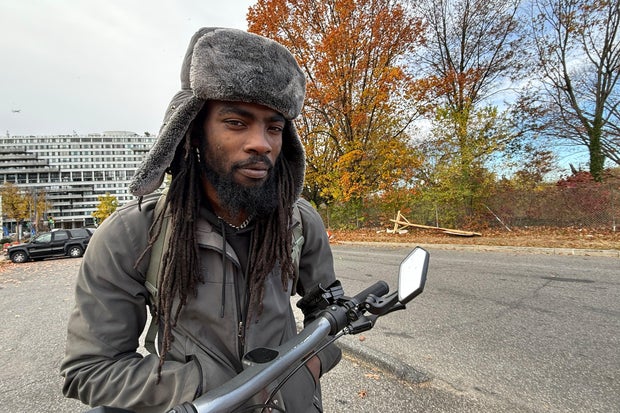
Every evening, Abdullah Ibrahim, a 32-year-old homeless man, retreats to a wooded area along the Potomac River, where he sets up a tent to evade authorities. This strategy of hiding in plain sight has become common among the homeless population in Washington D.C. as they attempt to avoid federal crackdowns initiated by the Trump administration.
Federal Actions and Their Impact
In August 2025, President Trump ordered a federal control of D.C. police and deployed National Guard troops to patrol the streets, effectively increasing pressure on the homeless community. The administration claims these encampment sweeps have made the city safer and more visually appealing, but the reality is that many homeless individuals have simply moved out of sight.
Despite the reduction in visible homelessness, the total number of individuals experiencing homelessness remains high, with approximately 5,100 counted in early 2025. City officials reported that nearly 700 people were living outdoors without any shelter.
Health Consequences of Increased Surveillance
As temperatures drop, many homeless individuals face severe health risks due to untreated chronic conditions like diabetes and heart disease. Medical professionals, including street medicine providers, report significant challenges in locating their patients, resulting in missed medical appointments and the loss of critical medications during sweeps.
Street medicine doctor Tobie Smith notes the disruptions caused by the federal presence, stating that locating patients has become even more difficult. The chaos surrounding the sweeps exacerbates mental health issues and substance abuse among the homeless, leading to higher overdose risks.
Personal Accounts of Struggle
Chris Jones, a 57-year-old homeless man, experienced the effects of the federal crackdown firsthand. After losing his tent during a sweep, he now sleeps on a sidewalk outside a church, reliant on nearby amenities for food and medication. The fear of having his belongings discarded makes him hesitant to seek shelter again.
Similarly, Willie Taylor, who suffers from multiple chronic health conditions, has had his mobility compromised by the loss of his wheelchair, which had been stolen while he slept outdoors. The constant threat of violence and the challenges of accessing healthcare add to the hardships faced by the homeless.
Long-term Implications and Resource Allocation
The Trump administration’s focus on clearing homeless encampments has prompted local officials to adopt stricter measures, further complicating the provision of support services. Advocates argue that these actions create mistrust between homeless individuals and service providers, ultimately wasting taxpayer resources.
Despite some efforts to connect the homeless with emergency shelters, the lack of permanent housing solutions persists. The fiscal year 2026 budget has redirected funds primarily towards families, neglecting the needs of single adults, who make up a significant portion of the homeless population.
Rising Health Care Costs
The financial burden of caring for homeless individuals is substantial. Medicaid enrollees among the homeless incur an average of $18,764 annually, a stark contrast to the $7,561 for housed enrollees. This disparity highlights the urgent need for effective strategies to address homelessness and its associated health impacts.
In summary, as D.C. continues to grapple with the complexities of homelessness, the intersection of health care costs and community safety will remain a pressing concern for city officials and advocates alike.
Leave a Reply