
**Excerpt:** Investigations reveal that poorly enforced moonlighting policies in police departments contribute to misconduct, risking public safety and eroding trust.
Key Points
– Off-duty police work often lacks adequate oversight, leading to potential abuses of power.
– Many police agencies have vague moonlighting rules and do not check officers’ disciplinary histories.
– A significant number of departments allow officers with misconduct histories to moonlight.
– Inadequate tracking of off-duty hours can lead to officer fatigue and poor decision-making.
– High-profile cases, like that of Dallas officer Eddie Villarreal, underscore the need for stronger accountability.
Introduction
An investigation by CBS News and the Howard Center for Investigative Journalism has uncovered alarming trends regarding off-duty police work across the United States. Many law enforcement agencies operate under loosely written and poorly enforced rules that not only enable misconduct but also put public safety at risk.
Case Study: Eddie Villarreal
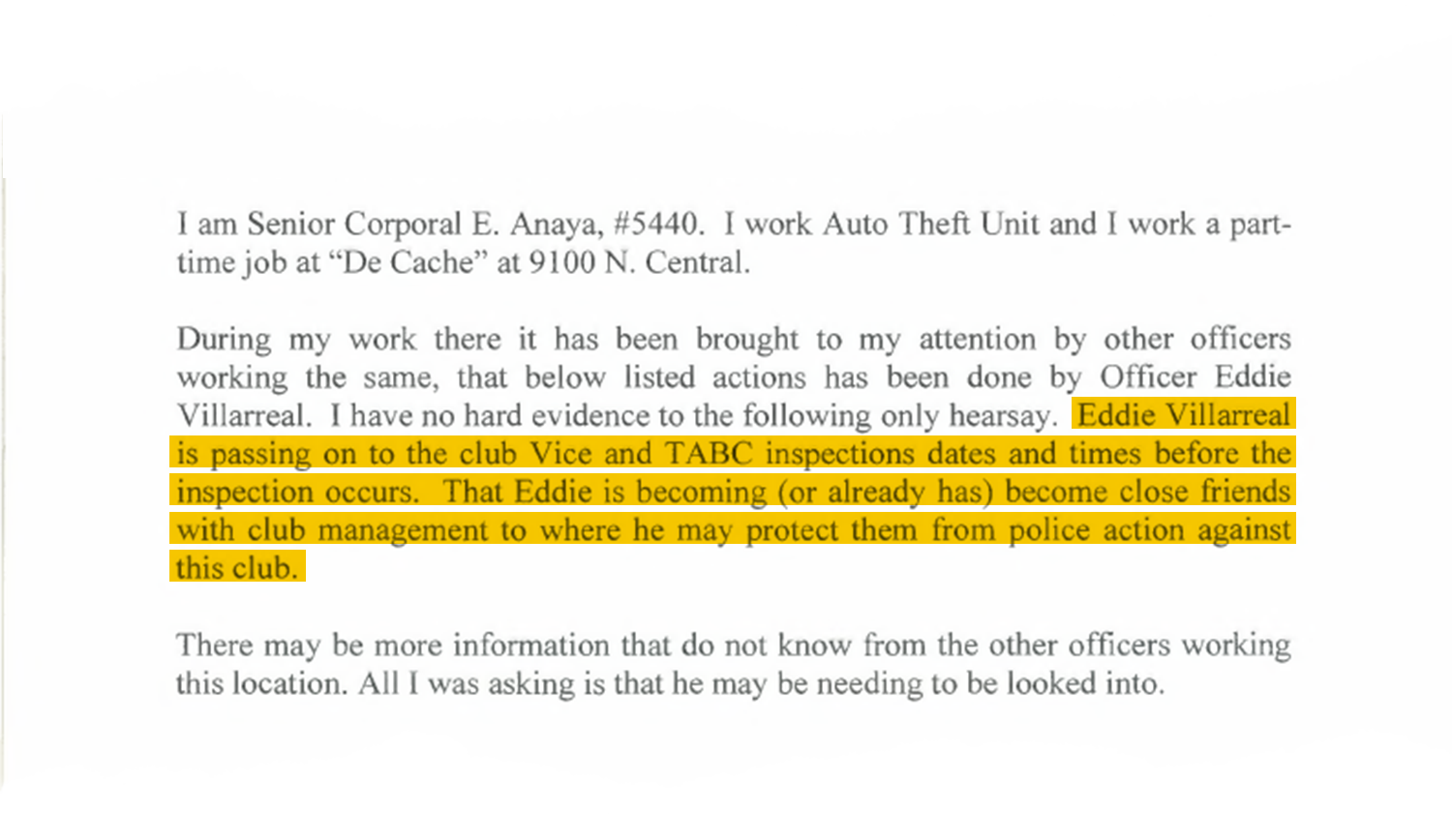
A striking example of this issue is Dallas Police Officer Eddie Villarreal, who moonlighted as a security guard at a nightclub linked to drug trafficking. Despite numerous warnings about his conduct, the Dallas Police Department allowed him to continue working off-duty. Villarreal’s actions ultimately led to his arrest after he pulled over FBI agents investigating the nightclub.
Warning Signs Ignored
Over the years, Villarreal faced multiple allegations of misconduct, including accusations of tipping off nightclub owners about police operations. Despite these warnings, he was permitted to moonlight, highlighting systemic failures within the Dallas Police Department.
Oversight Gaps in Moonlighting Policies
The investigation revealed that many police agencies rely on vague moonlighting regulations. Key findings include:
– Less than 25% of agencies check an officer’s disciplinary history before allowing moonlighting.
– More than half do not require body cameras for off-duty work.
– Many departments have not implemented tracking systems for off-duty hours.
Recommendations Ignored
Auditors have repeatedly criticized the Dallas Police for inadequate oversight of off-duty employment. However, despite multiple audits recommending stronger monitoring practices, little has changed. In fact, the department has loosened its rules, allowing over 800 officers with red flags to keep their off-duty jobs.
Nationwide Accountability Issues
Dallas is not an isolated case. Across the country, the lack of stringent oversight for off-duty police work has led to similar accountability issues. Many departments fail to enforce rules regarding body cameras and tracking of off-duty hours, increasing the risk of officer misconduct.
Consequences of Inadequate Oversight
The consequences of insufficient regulation are severe. There have been instances where officers worked off-duty while on sick leave, or even skipped their on-duty shifts for private jobs. Experts warn that without proper oversight, the potential for abuse increases significantly.
Conclusion
The need for stricter regulations and oversight of off-duty police work is clear. As evidenced by cases like Eddie Villarreal’s, lax policies can lead to corruption and undermine public trust in law enforcement. It is imperative for police departments to reevaluate their moonlighting policies to ensure accountability and protect public safety.
Leave a Reply