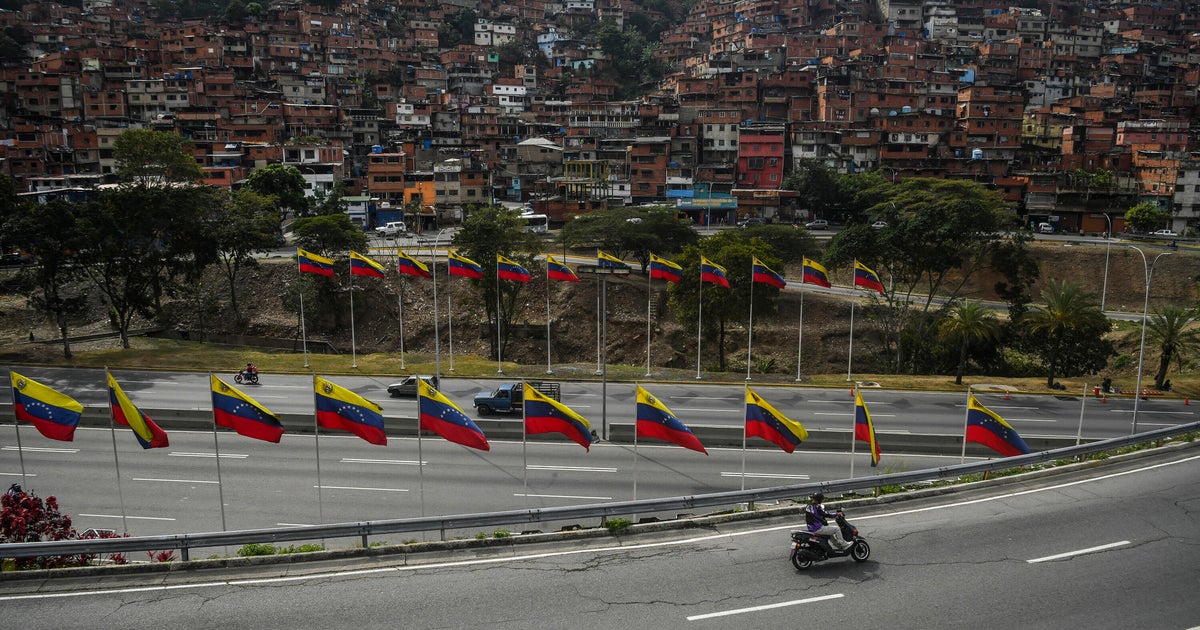
**Excerpt:** The Senate has voted to limit President Trump’s military actions in Venezuela, advancing a resolution aimed at restricting further strikes following recent developments in the region.
Key Points
– The Senate voted 52-47 to advance a war powers resolution.
– Five Republicans joined Democrats in supporting the measure.
– The resolution aims to limit military actions against Venezuela not authorized by Congress.
– Concerns arise over potential prolonged U.S. involvement in Venezuela.
– Critics accuse the Trump administration of overstepping its authority.
Senate Vote on War Powers Resolution
The U.S. Senate has taken a significant step towards limiting President Trump’s military engagement in Venezuela, voting 52-47 to advance a war powers resolution. This move follows the recent capture of Venezuelan leader Nicolás Maduro and has raised concerns about the administration’s unilateral military actions.
Context of the Resolution
The resolution, introduced by Senator Tim Kaine of Virginia, seeks to require the removal of U.S. Armed Forces from hostilities against Venezuela that lack congressional authorization. This action comes after criticisms of the administration’s military campaign against alleged drug-smuggling operations, which has reportedly resulted in over 100 casualties.
Five Republican senators—Todd Young (IN), Lisa Murkowski (AK), Susan Collins (ME), Rand Paul (KY), and Josh Hawley (MO)—joined Democrats in supporting the measure. Senator Kaine emphasized the potential for prolonged U.S. involvement, stating, “This is not an arrest warrant. This is far bigger than that.”
Administration’s Justification
Trump administration officials, including Secretary of State Marco Rubio and Defense Secretary Pete Hegseth, defended their actions in briefings to Congress, asserting that the operation to capture Maduro was a law enforcement action and did not require congressional approval. However, critics argue that the military operations constitute acts of war.
Senator Paul voiced his concerns, stating, “I think bombing a capital and removing the head of state is by all definitions, war.” He has been an outspoken critic of the administration’s military strategies.
Legal and Political Implications
Legal experts and lawmakers have expressed alarm over the administration’s actions, with accusations of potential war crimes and violations of the War Powers Act. The administration claims that its operations are justified under the premise of a non-international armed conflict with designated terrorist organizations.
Despite the pushback from some Republicans, including Senator Jim Risch of Idaho, who dismissed the resolution as “nonsense,” the Senate continues to pursue measures to reclaim its war powers and limit executive authority in military matters.
Conclusion
As the situation in Venezuela evolves, the Senate’s vote reflects growing concerns over U.S. military involvement and the need for congressional oversight. The resolution’s advancement signals a critical moment in the ongoing debate about the balance of power between the legislative and executive branches regarding military engagement.
Leave a Reply