**Excerpt:** Experts weigh in on the potential impact of the recent Iran ceasefire on U.S. gas prices, with cautious optimism for a decline in costs.
Key Points:
– An Iran ceasefire may initially reduce U.S. gas prices, but significant relief could take time.
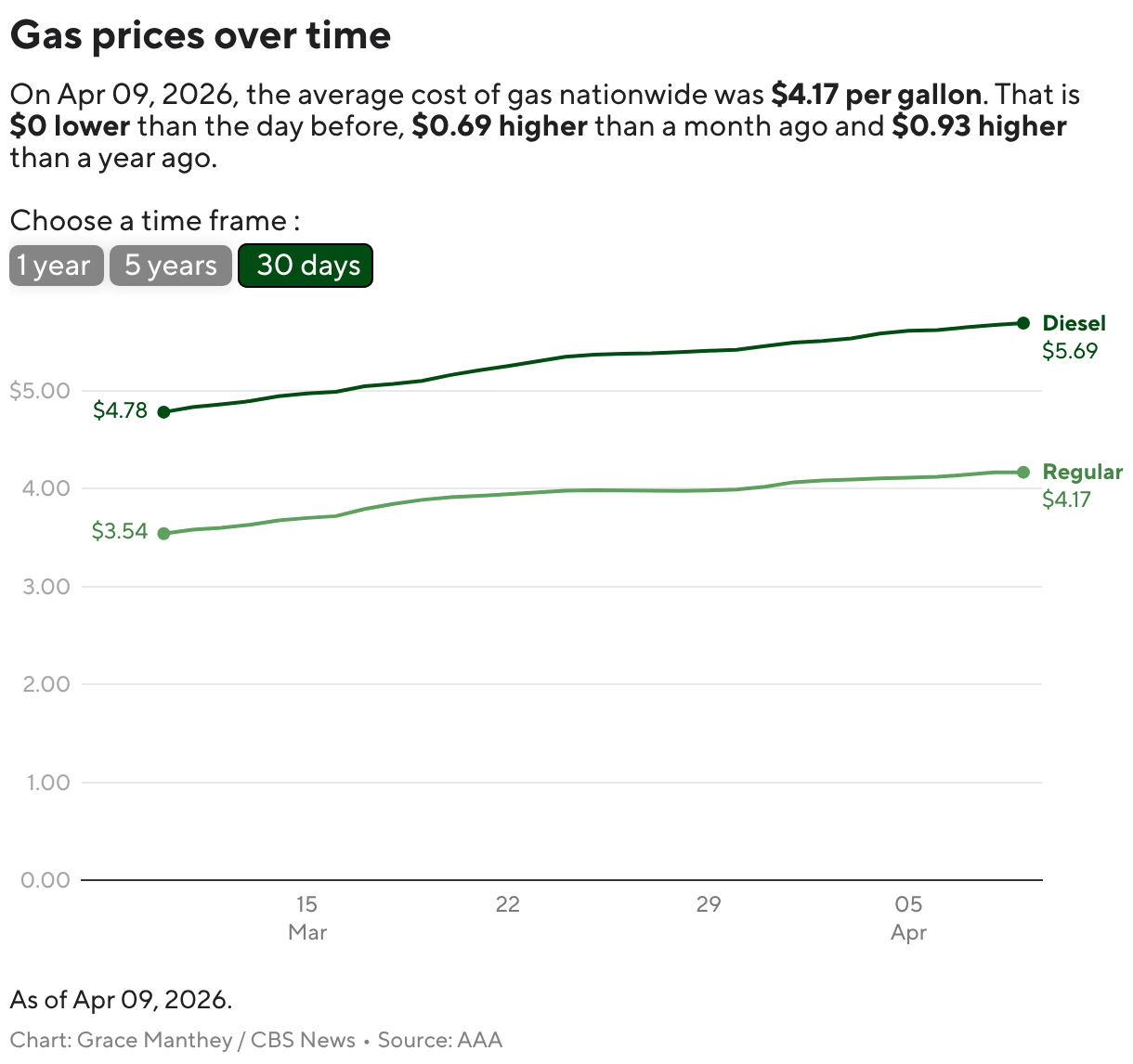
– Current national average gas prices are around $4.16 per gallon, a significant increase from previous months.
– Experts predict a potential decrease in gas prices, but any improvements depend on the stability of the ceasefire.
– Global oil prices have fallen but remain elevated compared to pre-conflict levels.
– Predictions indicate gas prices might stabilize around $3.75 to $3.50 per gallon by the end of the year.
Overview of the Situation
The recent ceasefire between the U.S. and Iran has created a cautious atmosphere regarding gas prices in the United States. While the truce has momentarily eased tensions, experts suggest that any significant reduction in fuel costs may take longer to materialize.
Current Gas Prices
As of now, the national average price for a gallon of regular gasoline has risen to $4.16. This marks a substantial increase from $2.98 prior to the U.S. and Israel’s military engagement with Iran in late February. Additionally, prices have surged 91 cents compared to the same time last year. In some states, gas prices have surpassed $5 per gallon, while diesel is averaging $5.67.
Expert Predictions
Patrick De Haan, a petroleum expert at GasBuddy, speculates that gas prices may begin to decline as soon as this weekend, albeit by only a few cents. He suggests that if conditions remain stable, the national average could potentially dip below the $4 mark within a couple of weeks.
Bernard Yaros, lead U.S. economist at Oxford Economics, anticipates that if the ceasefire holds, gas prices might stabilize or decline moderately. However, he underscores that the global energy market’s perception of safety in the Strait of Hormuz will heavily influence this outcome.
The Importance of the Strait of Hormuz
The Strait of Hormuz is a critical maritime route, responsible for about one-fifth of the world’s oil and liquefied natural gas shipments. Iranian media reports suggest that Tehran is considering halting tanker traffic through this vital corridor, which could impede any potential reductions in gas prices.
White House Press Secretary Karoline Leavitt has dismissed these reports as false, indicating ongoing tensions despite the ceasefire.
Future Outlook
Mark Zandi, chief economist at Moody’s Analytics, projects that if oil prices stabilize around $90 per barrel in the coming weeks, gas prices could decrease further, potentially settling around $3.75 per gallon by year-end. However, he cautions that a return to prices below $3 per gallon will likely not happen soon.
Overall, while the Iran ceasefire has brought some hope for easing gas prices, uncertainty remains regarding its longevity and the potential for future escalations.
Leave a Reply