
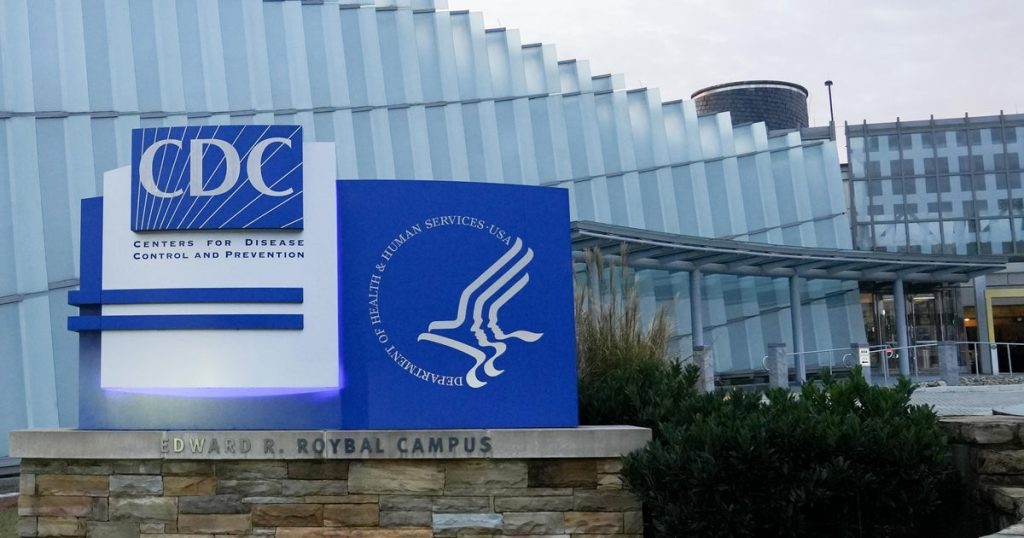
**Excerpt:** The CDC’s advisory panel has recommended delaying the hepatitis B vaccine birth dose until a child is two months old for mothers who test negative for the virus.
Key Points:
– The CDC’s ACIP panel voted 8-2 to change the hepatitis B vaccine recommendation.
– The first dose is now recommended at two months instead of within 24 hours of birth for children of mothers who test negative.
– Experts warn that this change could increase the risk of hepatitis B infections in young children.
– The hepatitis B vaccine has been recommended for newborns since 1991 and has significantly reduced infection rates.
– The decision raises implications for insurance coverage and state policies regarding vaccination.
CDC’s Advisory Committee on Immunization Practices Decision
On December 5, 2025, the Centers for Disease Control and Prevention’s Advisory Committee on Immunization Practices (ACIP) voted to change the timing of the hepatitis B vaccine for newborns. The panel recommended that the first dose be given at two months old rather than within 24 hours of birth for infants born to mothers who test negative for the hepatitis B virus. This decision was reached with an 8-2 vote.
Opposition from Medical Experts
Many medical professionals and organizations, including the American Academy of Pediatrics, opposed this change. They argue that delaying the birth dose could leave newborns vulnerable to hepatitis B, which is a serious viral infection that can lead to long-term health issues, including liver disease and cancer. The vaccine has been universally recommended for newborns since 1991, resulting in a 99% reduction in infections among infants and children.
Dr. Cody Meissner and other committee members expressed concern about the lack of scientific support for the change. They emphasized that the existing recommendation allows parents to make informed choices regarding their child’s vaccinations.
Legislative Concern
Senator Bill Cassidy, a physician and Republican from Louisiana, criticized the new recommendation as “a mistake.” He highlighted that prior to the birth dose recommendation, approximately 20,000 newborns were infected with hepatitis B annually, a number that has drastically decreased since its implementation. Cassidy urged the acting CDC Director, Jim O’Neill, to reject the panel’s vote.
Implications of the Vote
The decision by ACIP may affect state vaccination policies and insurance coverage for the hepatitis B vaccine. Historically, ACIP’s recommendations influence state guidelines, which could lead to variations in how states handle vaccine administration.
Additionally, the panel voted to encourage parents to consult with their healthcare providers about testing children to ensure they have adequate protection against hepatitis B after their first vaccine dose.
Background on Hepatitis B Vaccination
Hepatitis B is a highly contagious virus that can be transmitted from mother to child during birth. Infants infected within their first year face a 90% risk of developing chronic hepatitis B, which can lead to severe health complications. The CDC recommends testing pregnant women for hepatitis B, but acknowledges that some may not receive adequate screening.
The birth dose of the hepatitis B vaccine serves as a vital safety net, addressing gaps in prenatal screening and ensuring that all newborns are protected against the virus. The American Academy of Pediatrics asserts that the vaccine has a well-established safety record and is essential for protecting infants from chronic illnesses and liver cancer.
Leave a Reply