**Excerpt:** A recent study reveals a thriving polar bear population in Svalbard, contradicting expectations amid climate change concerns.
Key Points:
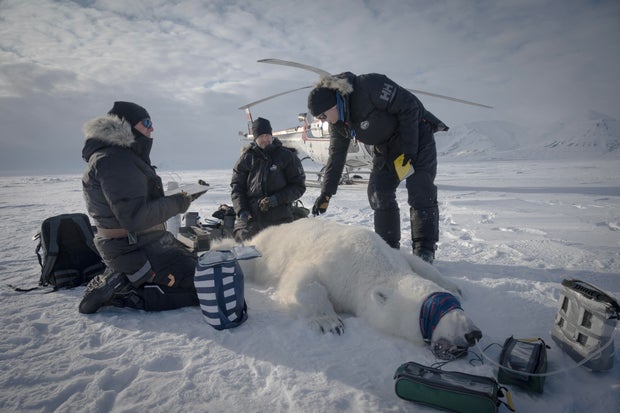
– A study of polar bears in Svalbard shows they are thriving and gaining weight.
– Researchers tracked nearly 800 bears from 1992 to 2019.
– Polar bears are adapting to reduced sea ice and hunting more efficiently.
– Bears are increasingly foraging on land, consuming prey like reindeer and walruses.
– Scientists caution that these positive trends may not last due to ongoing climate change.
Thriving Polar Bear Population in Svalbard
Scientists have reported unexpected good news regarding polar bears in Svalbard, Norway. Despite the ongoing climate crisis and the melting ice, this population appears to be thriving, with bears finding ways to adapt and gain weight. Jon Aars, a senior scientist with the Norwegian Polar Institute, stated, “A fat bear is a healthy bear.”
Study Overview
Aars, who has been studying polar bears in Svalbard for over 20 years, led research tracking the weight and size of nearly 800 bears from 1992 to 2019. The results revealed that these bears are in good health, successfully raising cubs despite the loss of sea ice.
Surprising Adaptations
Aars expressed surprise at the findings, noting the significant reduction in sea ice since he began his studies. Traditionally, scientists have warned that shrinking ice poses a major risk to polar bears, as they rely on it for hunting seals. However, the research suggests that these bears are adapting to the changing environment, potentially benefiting from smaller ice patches that concentrate their prey.
Land-Based Foraging
The study also found that the melting ice is forcing polar bears to spend more time on land, with some bears foraging on land up to 90% of the time. They have started preying on alternative food sources, including reindeer and walruses.
Future Concerns
While the thriving population in Svalbard is encouraging, Aars emphasizes the need for further research to understand how polar bears in other regions are coping with climate change. He warns that the current positive trends may be short-lived, as projections indicate a rapid loss of sea ice in the area.
In conclusion, the health of the polar bear population in Svalbard offers a glimmer of hope amidst broader climate change challenges, but ongoing monitoring and research are crucial to assess the long-term impacts on these majestic animals.
Leave a Reply